
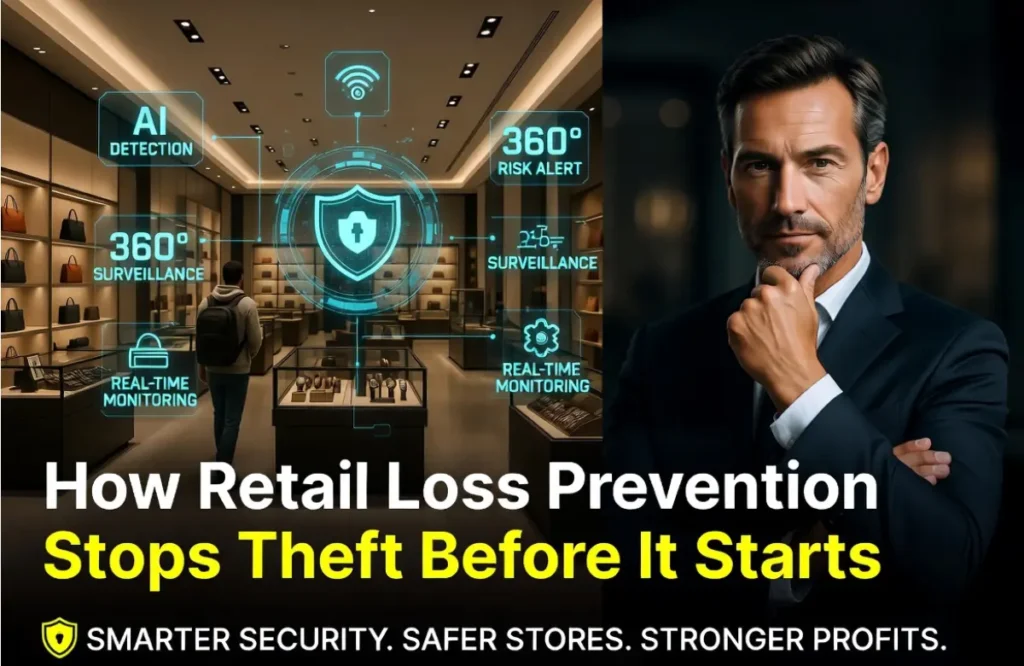
Retail in 2026 is moving faster than ever, and old security methods just cannot keep up anymore. Most store owners used to rely on catching a thief after they had already stuffed their bags and headed for the door. This catch-and-release style is a losing game that leaves your staff stressed and your shelves empty. Today, the most successful retail loss prevention companies focus on stopping the crime before it even begins to happen.
The secret to modern success is creating an environment where theft feels like a mathematical impossibility for the criminal. By using smart technology and better physical barriers, you can stop bad actors from even trying to steal. Modern loss prevention is not just about catching people; it is about building a store culture that values total safety. Bellevue businesses trust modern retail security solutions that use proactive, invisible barriers to protect every single dollar of profit.
Moving from Reactive Security to Proactive Prevention
Switching from a reactive mindset to a proactive one is the best way to ensure long-term profit preservation. Every dollar you save from a shoplifter goes directly back into your bottom line as pure, clean profit. In 2026, leading brands use AI and behavioral science to spot a potential thief long before they ever reach a shelf. This shift helps you keep your inventory accurate and ensures your paying customers always find what they need.

The Cost of Being Reactive
Being reactive creates a nasty financial domino effect that can quickly sink a small or mid-sized retail business. Global retail shrinkage has now exceeded $100 billion, forcing many stores to raise prices or cut their staff hours. When you lose items to theft, you also deal with stockouts that frustrate your most loyal and honest customers. These hidden costs make it very clear that waiting for a crime to happen is a very expensive mistake.
The Proactive Advantage: Building a Hard Target
Building a Hard Target means making your store look far too difficult for any amateur or professional thief to bother. A well-organized store with high visibility and active monitoring sends a clear signal to organized retail crime syndicates. When a store looks professional and highly alert, opportunists usually decide to move on to an easier, less protected location. Creating this atmosphere is the first step in a truly successful shoplifting deterrence strategy that works.
5 Pillars of a Modern Theft-Proof Strategy
Implementing a modern strategy requires a blend of high-tech tools and better daily habits for your entire floor team. These five pillars provide a roadmap for any business looking to lower their risk and keep their merchandise safe.
1. AI-Powered Surveillance and Predictive Analytics
Modern retail loss prevention services now include AI-driven computer vision that watches for specific red-flag movements in real-time. These systems can detect someone loitering in high-value aisles or making repetitive concealment motions with their hands or clothing. Instead of watching a screen for hours, your security team gets a silent alert sent directly to their mobile devices. This allows your team to intervene politely before the individual even attempts to exit the building with unpaid goods.
2. Smart Store Layouts (CPTED Principles)
Crime Prevention Through Environmental Design, or CPTED, is a vital part of any modern loss prevention company strategy. You should eliminate all blind spots by using low-profile shelving and strategically placed mirrors throughout the entire shopping floor. High-risk items belong in power zones that stay within the direct line of sight of your checkout or service desks. Good visibility makes it much harder for someone to hide items without being noticed by your employees or cameras.
3. The Human Element: Behavioral Training for Staff
Your employees are your most valuable asset when it comes to stopping theft. Train your staff for aggressive hospitality, which involves greeting every single person who walks through the door to let them know they are seen. Using gamified training modules can also help your staff learn how to actively recognize pre-theft behaviors. When shoppers know that the staff is attentive and helpful, the urge to steal often disappears immediately.
4. Unified Inventory Intelligence (RFID & IoT)
Using RFID tags and IoT sensors helps you track every single piece of merchandise from the backroom to the front door. This unified intelligence is one of the best shrinkage reduction services because it identifies exactly when and where an item disappears. If an item moves toward an exit without being scanned at a register, the system can trigger a quiet alert. This technology also helps you spot internal theft or shipping errors that might otherwise go completely unnoticed for months.
5. Strengthening the Point of Sale (POS)
The point of sale is your last line of defense against both external shoplifting and internal employee fraud. Modern POS systems use video analytics to detect sweethearting, which is when an employee purposely fails to scan an item. Automated scan-mismatch tools also help catch shoppers who try to switch price tags or skip items at the self-checkout. Keeping this area tight and well monitored ensures that every transaction is honest and every cent is accounted for.

Identifying the Why: Common Causes of Retail Shrinkage in 2026
To fix a problem, you must first understand exactly where your inventory and money are actually going each month.
| Source of Loss | Description | Risk Level |
| External Theft | Shoplifting and professional organized retail crime (ORC). | High |
| Internal Theft | Employee theft, fraud, and giving away free items to friends. | Medium-High |
| Administrative Errors | Data entry mistakes, vendor shipping fraud, and pricing errors. | Medium |
Advanced Tech: Beyond the Standard Camera
The future of retail security goes far beyond just having a camera mounted on the ceiling of your store. Emerging trends for 2026 include smart shelves that use weight sensors to detect when someone clears an entire row of products. Some companies are also using digital watermarking on packaging that is invisible to the eye but easy for scanners to read. These advanced tools make it nearly impossible for stolen goods to be resold through illegal online marketplaces.
Conclusion: Making Prevention Part of Your Brand Culture
Loss prevention should never be treated as just a separate department or an annoying extra cost of doing business. It must be a core part of your brand culture that every single employee understands and supports every day. A safe and secure store is a much better place for your honest customers to shop and spend time. When you focus on proactive steps, you protect your profits and build a much stronger, more resilient retail brand.
Ready to secure your storefront and stop losses before they impact your bottom line? Steel Bison Security LLC provides professional onsite guards and remote video surveillance to keep your Bellevue business safe. Our expert team understands the unique needs of Washington retailers and helps you build a custom plan that works. Contact us today to audit your security blind spots and start protecting your hard-earned profits with the best in the industry.
Frequently Asked Questions
What is the most effective way to prevent shoplifting?
The best way to stop shoplifting is combining aggressive hospitality with visible AI-deterrence screens. When shoppers see themselves on a monitor and get greeted by staff, they know they are being watched.
How does AI help in retail loss prevention?
AI acts as a force multiplier by watching hundreds of video feeds at the same time for you. It flags suspicious movements or loitering that human eyes might miss, allowing your team to act much faster.
Is internal theft more common than shoplifting?
While shoplifting is more visible, internal theft and paperwork errors often cost stores much more money overall. Dishonest employees and shipping mistakes can drain your profits silently if you do not have good tracking.
How do smart layouts help reduce store shrinkage?
Smart layouts remove blind spots and keep high-value items in the sightlines of your employees. By using CPTED principles, you make the store environment naturally discouraging for anyone thinking about hiding merchandise or stealing.