
The security of your property has to be approached in a thorough way that involves the detection and elimination of all possible weaknesses. Security audits that are conducted regularly can be used to protect against threats by identifying weak areas and putting effective security controls in place.
A regular security audit usually involves taking practical steps to identify and mitigate possible security loopholes. It is equally beneficial for both commercial premises and residential sites. Given the complex nature of the job, usually a private security firm is consulted to accurately perform the audit. The following article focuses on the detailed process of performing a security audit for your property.
What Is a Security Audit?
A security audit is a planned inspection of the security measures of a particular property. This audit aims at detecting the weak points and vulnerabilities that might be used by the wicked individuals. It is also a roadmap towards better security and the complete elimination of risk.

Guidelines for Carrying Out a Security Audit
Define Your Security Goals
Start by determining the desired goals for your security measures. Think about the risks associated with your premises, which may be a burglary, vandalism, or unauthorised access. Having some clear objectives will assist you in prioritizing your audit, whether you are a homeowner or a business owner.
Keep Track of Your Assets
The second step in performing a security audit is to identify and comprehend your assets. These may include physical belongings such as equipment, inventory, or buildings, or may include data and information systems. When you have a clue of what you need to safeguard, then you can prioritize how to do it.
Review Current Security Measures
Then review your current property security measures in place. It encompasses all physical (locks, fences, and surveillance cameras) and digital security controls (firewalls and password policies). Report any known problems or areas of improvement in security.
Carry out a Perimeter Inspection
Survey the area surrounding your property to know where people can get in from, e.g., bushes that are overgrown, the fences that are weak, or where there is a blind spot.
Make sure that there are security cameras to cover areas of blindness, like side entrances or dark places. Find ways to increase the light that can keep off trespassers and increase the quality of camera images.
Identify Vulnerabilities
The next thing that should be done after a proper perimeter search is to determine the possible vulnerabilities by comparing the findings with your existing security measures in place. It is an important step because it will point out the areas where your workplace security measures are deficient. Some methods that can be used to determine vulnerabilities include penetration testing, vulnerability scanning and physical security testing.
Test Access Points
Assess every access point such as doors, windows, and gates. Make sure that they are safe and not easy to break. Think about smart locks or biometric access to increase the level of security. Ensure that your security cameras are recording clear images of all the entry points.
Simulate a Security Breach
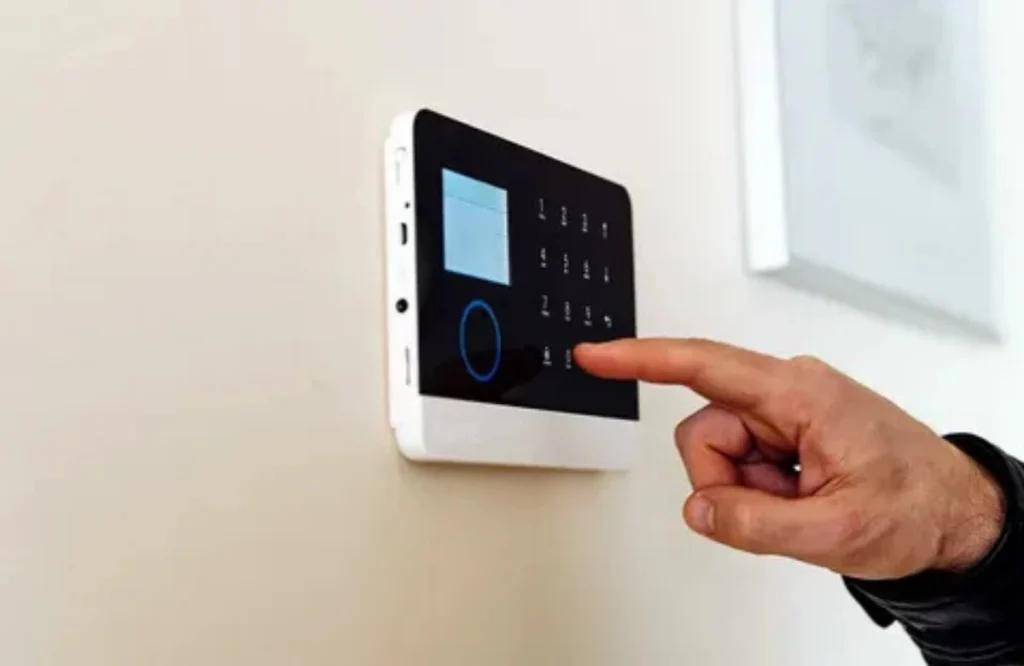
Test your existing system by staging a break-in. Such practice can also expose the weaknesses that you failed to notice before, like alarm blind spots or delayed notifications.
Counter Recognized Weaknesses
Once the new weaknesses are discovered, act upon them to enhance your security planning or consulting professional security providers. This may include fixing or installing new security features or repositioning of cameras to give them better coverage. Enhance physical security, e.g., upgrading locks or making windows tougher.
Train Occupants or Staff
In the case of the business, make sure that employees are trained to identify and handle security threats. In the case of residential premises, the family members are expected to know how to utilize alarms and surveillance systems.
Schedule Regular Audits
Needs of security change with time. Arrange frequent audits so that your measures do not become ineffective, and this happens particularly when you have made major modifications to your property or operations.
Why Professional Assistance Matters
Although one can carry out a simple security audit, it is usually a good idea to hire the services of a professional private security company. Security firms such as Steel Bison Security possess the knowledge and the experience to conduct in-depth audits and make recommendations that are practical.
Conclusion
A security audit is an important measure in the defense of your home or business premises. It enables you to determine the possible weak points and actively prevent them from lowering your security levels. If you require assistance in carrying out a security audit or introducing new security measures, please do not hesitate to contact the specialists at Steel Bison Security. We come to assist you in developing a more secure environment for your property.
FAQs
What is a security audit of my property?
Security audit refers to a process of inspecting several parts of your premises one at a time, so as to identify the vulnerability areas and determine the security measures that should be implemented to counter those vulnerabilities.
What is the recommended frequency of security audits on my home or business?
The security audit is usually supposed to be conducted once a year, or when you are making significant property adjustments, or in case of a security incident.
What is the significance of security cameras in a property security audit?
The security cameras are useful in controlling blind spots, deterring intruders, and offering useful evidence in case of an incident.